
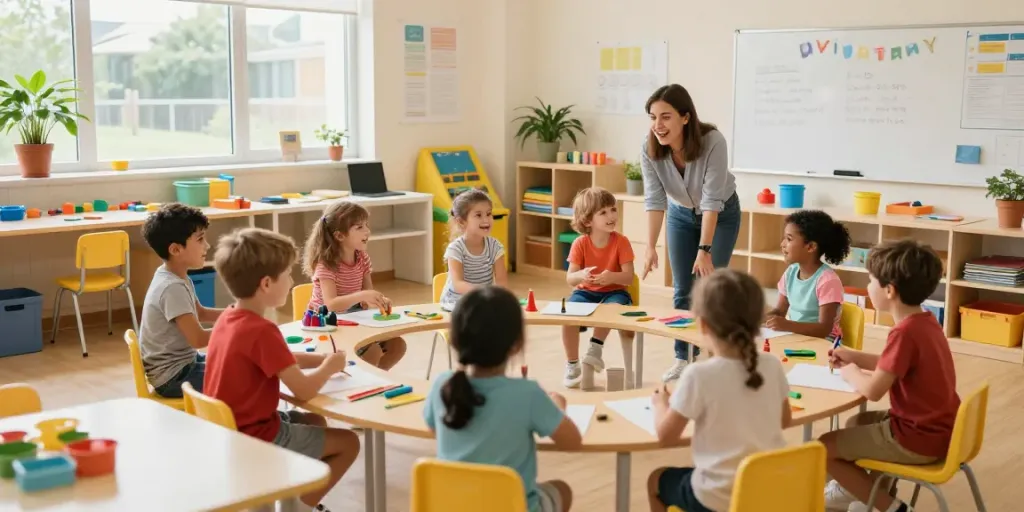
Understanding the Importance of Preschool Locations
Choosing the right preschool for your child is a pivotal decision that lays the foundation for their educational journey. One of the most critical factors influencing this decision is the location of the preschool. Accessibility, safety, and proximity to home all play essential roles in ensuring that parents can manage their daily routines effectively while providing their children with quality early education. When exploring options, https://podarprep.com/locations provides comprehensive insights into available preschools in various neighborhoods, making the selection process easier.
Why Location Matters in Early Education
The location of a preschool can significantly affect a child's education and development. A nearby school allows for more consistent attendance, which is crucial during these formative years. When children attend preschool regularly, they engage more fully in learning activities, which enhances their development. Furthermore, a conveniently located preschool makes it easier for parents to participate in school events and maintain open lines of communication with educators.
Additionally, the surroundings of the preschool are vital. Access to parks, libraries, and community centers can greatly enrich a child's learning experience, providing opportunities for exploration and growth outside the classroom. Preschools situated in safe, nurturing environments allow children to feel secure and focused on their learning.
Key Factors in Selecting a Preschool Nearby
When selecting a preschool, several essential factors should be considered beyond just the location:
- Curriculum: Evaluate the preschool's educational philosophy and curriculum focus. Programs that incorporate play-based learning, for instance, can enhance a child's social and emotional skills.
- Facilities: Look for well-maintained facilities with age-appropriate resources. Outdoor play areas, creative spaces, and quiet zones are significant for a balanced learning environment.
- Staff Qualifications: The qualifications and experience of the teaching staff are critical. Trained educators can provide quality early education and ensure that children receive the care and attention they need.
- Parental Involvement: Many preschools encourage family participation in various activities. Look for schools that warmly welcome parents as vital partners in education.
How to Use https://podarprep.com/locations for Best Choices
Utilizing https://podarprep.com/locations can streamline your search for nearby preschools. This user-friendly platform allows you to filter options based on your specific needs and preferences. By entering your area, you can easily compare various preschools, check their curriculum, facilities, and even read reviews from other parents. This data-driven approach aids in making an informed choice that aligns with your family’s values and parenting style.
Evaluating Educational Programs at Local Preschools
Once you have shortlisted potential preschools, the next step involves evaluating their educational programs. A strong program not only meets the developmental needs of children but also excites their curiosity and enthusiasm for learning.
Curriculum Overview: What to Look For
The curriculum is the backbone of preschool education. Look for programs that offer a balanced approach, combining academic learning with social and emotional growth. A well-rounded curriculum typically includes:
- Literacy and Language: Activities that promote reading readiness and verbal expression.
- Mathematical Concepts: Foundations in counting, shapes, and patterns through engaging play.
- Creative Arts: Opportunities for self-expression through art, music, and movement.
- Science and Nature: Encouragement of exploration and experimentation with the world around them.
Extracurricular Activities and Their Benefits
Many preschools offer extracurricular activities that complement the main curriculum. These activities can range from sports to arts and crafts, enhancing children's overall development. Benefits include:
- Improved social skills through teamwork and collaboration.
- Enhanced fine motor skills through hands-on activities.
- Opportunities for children to discover and develop new interests.
Real-Life Examples of Successful Programs
Preschools with proven success stories often have well-established programs. For example, schools that integrate community engagement projects into their curriculum have shown higher levels of student involvement and achievement. Parents can look for testimonials or case studies on the preschool's website to understand how effectively their programs work in real-world scenarios.
Visiting Preschools: What to Expect
Once you've narrowed your choices, visiting the preschools is essential. This step allows you to observe the environment and how staff interacts with children.
Preparing for Your Preschool Visit
Before your visit, make a list of questions and topics you want to cover. Consider bringing your child along to gauge their comfort and interest in the environment. Pay attention to how the staff interacts with the children, as their warmth and approachability are crucial indicators of quality care.
Questions to Ask During Your Tour
During your visit, ask questions that matter to you. Some examples include:
- What is the teacher-to-child ratio?
- What is a typical day like for the children?
- What kind of training do the staff members undergo?
- How do you handle behavioral issues or conflicts?
Getting a Feel for the Atmosphere and Environment
Observe the general atmosphere of the preschool. Is it welcoming and organized? Are the children engaged in activities? A vibrant, enthusiastic environment typically indicates a healthy preschool culture where kids feel safe and excited to learn.
Understanding the Costs of Preschool Education
The cost of preschool can be a significant factor in your decision-making process. It’s essential to find a program that provides value while fitting within your family budget.
Budgeting for Quality Education
Quality preschool education often comes at a premium. To budget appropriately:
- Research the average costs in your area to set reasonable financial expectations.
- Consider the value of the curriculum and facilities when comparing prices.
- Factoring in additional costs like supplies and field trips.
Comparing Costs at Different Locations
When comparing costs, don’t just look at tuition fees. Evaluate what is included in the price. Are meals provided? Is there access to enrichment programs? Some schools may offer sliding scale fees based on family income, making them more accessible.
Financial Aid and Assistance Options
Many preschools provide financial aid options or scholarships for families in need. Don’t hesitate to inquire about available assistance during your visits. This can significantly lower the financial burden and allow access to quality education.
Future Trends in Early Childhood Education
The landscape of early childhood education continues to evolve, driven by research, technology, and societal changes. Understanding these trends can help parents make better-informed decisions as they navigate preschool options.
Emerging Educational Practices for 2026 and Beyond
In the coming years, we will likely see a shift towards more personalized learning experiences. Programs that adapt to individual child interests and learning styles will become increasingly prevalent. The emphasis will be placed on developing critical thinking and problem-solving skills rather than rote memorization.
Impact of Technology on Preschool Learning Environments
As technology becomes more integrated into our lives, preschools will adopt innovative tools such as educational software and interactive learning systems. However, balance is key, ensuring children still engage in hands-on, social experiences.
Experts' Insights on the Future of Preschool Education
Experts predict a greater focus on emotional intelligence and well-being in preschool curricula. Programs that incorporate mindfulness, emotional regulation, and interpersonal skills will prepare children for future challenges in their educational and personal lives.
What should I consider when choosing a preschool?
Consider the location, curriculum, staff qualifications, and community involvement. Engaging with other parents and seeking testimonials can also provide valuable insights.
How can I find preschools near me?
Utilize online resources and directories, such as https://podarprep.com/locations, to locate available preschools in your area.
What are the benefits of early childhood education?
Early childhood education fosters cognitive and emotional skills, promotes socialization, and lays the groundwork for lifelong learning.
How do I evaluate a preschool’s quality?
Assess their curriculum, staff qualifications, parent involvement, and overall environment. Visiting the preschool can offer invaluable insights.
What new trends are shaping preschool education?
Emerging trends include personalized learning experiences, technology integration, and a heightened focus on emotional intelligence.